Flooring Guides 7 min read
Waterproof vs. Water-Resistant Flooring: What's the Difference?
These two labels get used interchangeably — but the difference can mean a floor that lasts or one that's ruined by a single spill.
By M&V Flooring & Remodeling Inc. ·
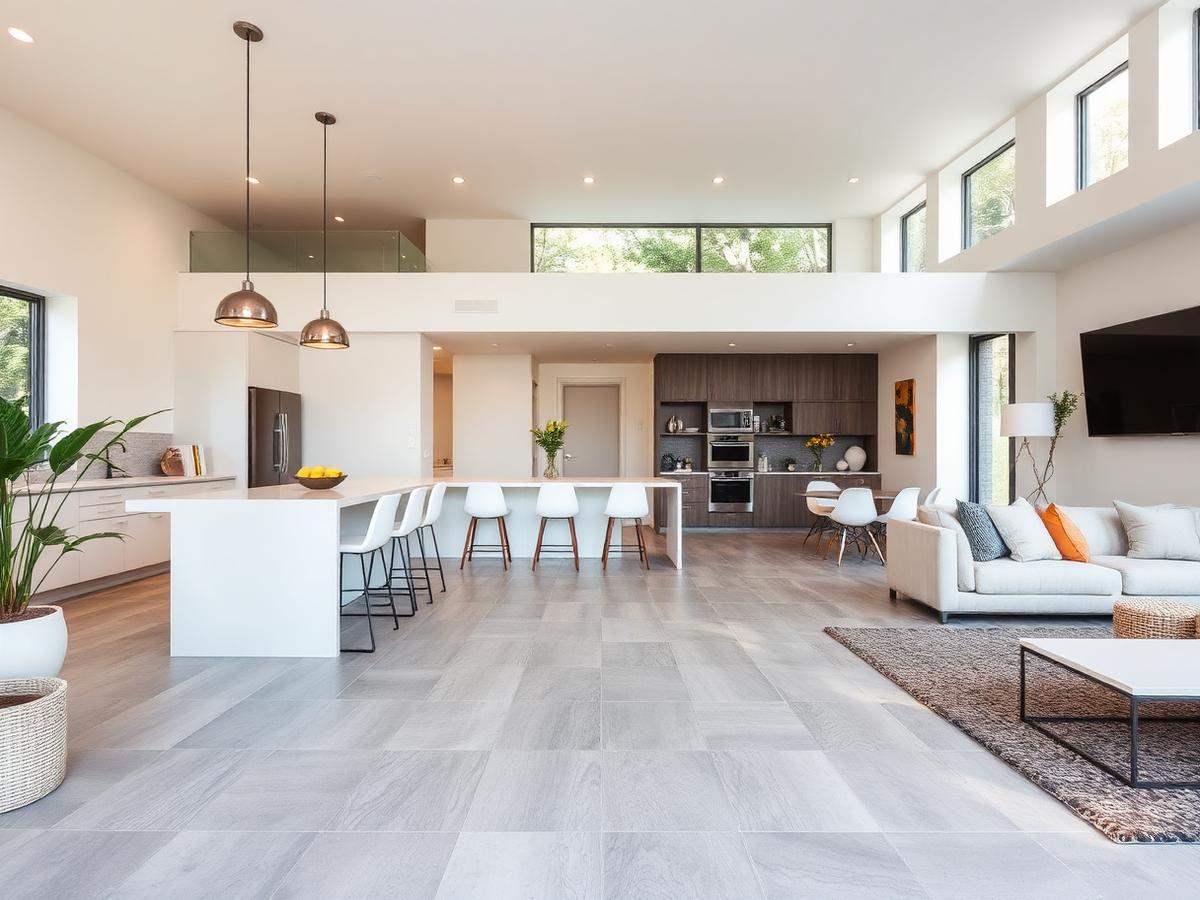
Walk into any flooring showroom and you'll see two words on the labels: "waterproof" and "water-resistant." They sound almost identical, and they're often used loosely — but they describe very different levels of protection. In Florida, where humidity is high year-round and storm-season water intrusion is a real risk, knowing the difference can save you from a ruined floor. Here's what each term actually means and how to choose.
Water-resistant: protection for a while
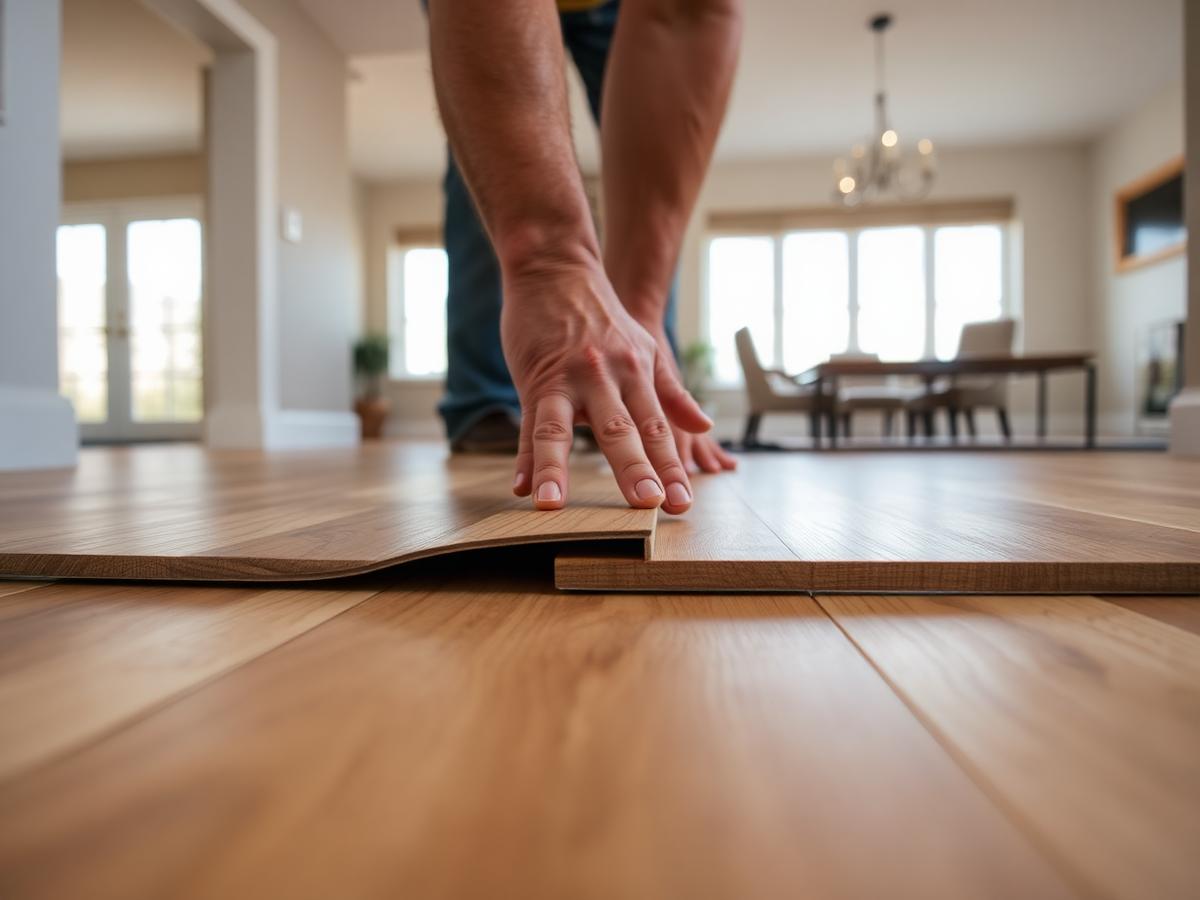
Water-resistant flooring can handle surface moisture for a limited time. If you wipe up a spill quickly, it's fine. But if water sits — or seeps into the seams and reaches the core — a water-resistant floor can swell, warp, or delaminate. Most standard laminate falls into this category: a tough surface, but a fiberboard core that's vulnerable once water gets in. Water-resistant floors are best in low-risk, dry rooms.
Waterproof: protection that lasts
Waterproof flooring won't be damaged by water even with prolonged exposure. The material itself doesn't absorb moisture, so spills, wet paws, humidity, and even brief standing water from a storm won't ruin it. Porcelain tile and rigid-core luxury vinyl plank (SPC/WPC) are the two big waterproof categories — and they're the floors we recommend most for Tampa Bay homes, as we explain in our guide to the best flooring for Florida humidity.
The core is what counts
A floor's water rating comes down to its core. A rigid SPC vinyl core or a porcelain tile body simply doesn't absorb water. A fiberboard or HDF core does — which is why a 'water-resistant' laminate can still be ruined by a leak that a waterproof LVP would shrug off.
Which floors fall into each category
- Waterproof: porcelain & ceramic tile, rigid-core LVP (SPC/WPC)
- Water-resistant: most laminate, some engineered wood with treated cores
- Not water-friendly: solid hardwood, standard fiberboard-core laminate
Why this matters more in Florida
Tampa Bay's relative humidity regularly sits above 70%, and homes near the Gulf face salt air and storm-season moisture. That constant exposure punishes floors that only resist water temporarily. A truly waterproof floor gives you peace of mind in kitchens, bathrooms, laundry rooms, and entryways — the spots where Florida moisture does the most damage. For showers and wet areas specifically, see our bathroom remodeling services.
How to choose for each room
- Bathrooms, laundry & entryways: always waterproof — porcelain tile or rigid-core LVP
- Kitchens: waterproof LVP or tile to handle spills and leaks
- Bedrooms & dry living rooms: water-resistant laminate is fine on a budget
- Slab-on-grade or beach-level homes: waterproof everywhere for safety
One more thing worth knowing: even a waterproof floor needs a properly prepared subfloor. Moisture wicking up through a slab can cause problems beneath the floor, so we always moisture-test and prep before installing. To compare your options side by side, read our guide to LVP vs. tile vs. laminate, and see realistic pricing in our Tampa Bay cost guide.
Not sure which rating your project needs? We'll walk your home and recommend the right floor for each room — no pressure. Explore our flooring services, get a free estimate, or check your town on our service area page, like flooring in Dunedin.