
Care & Maintenance 7 min read
Signs It's Time to Replace Your Floors (Repair vs. Replace)
Cupping, gaps, soft spots, stubborn odors — here are the signs your floors are telling you it's time, and when a repair will do instead.
By M&V Flooring & Remodeling Inc. ·
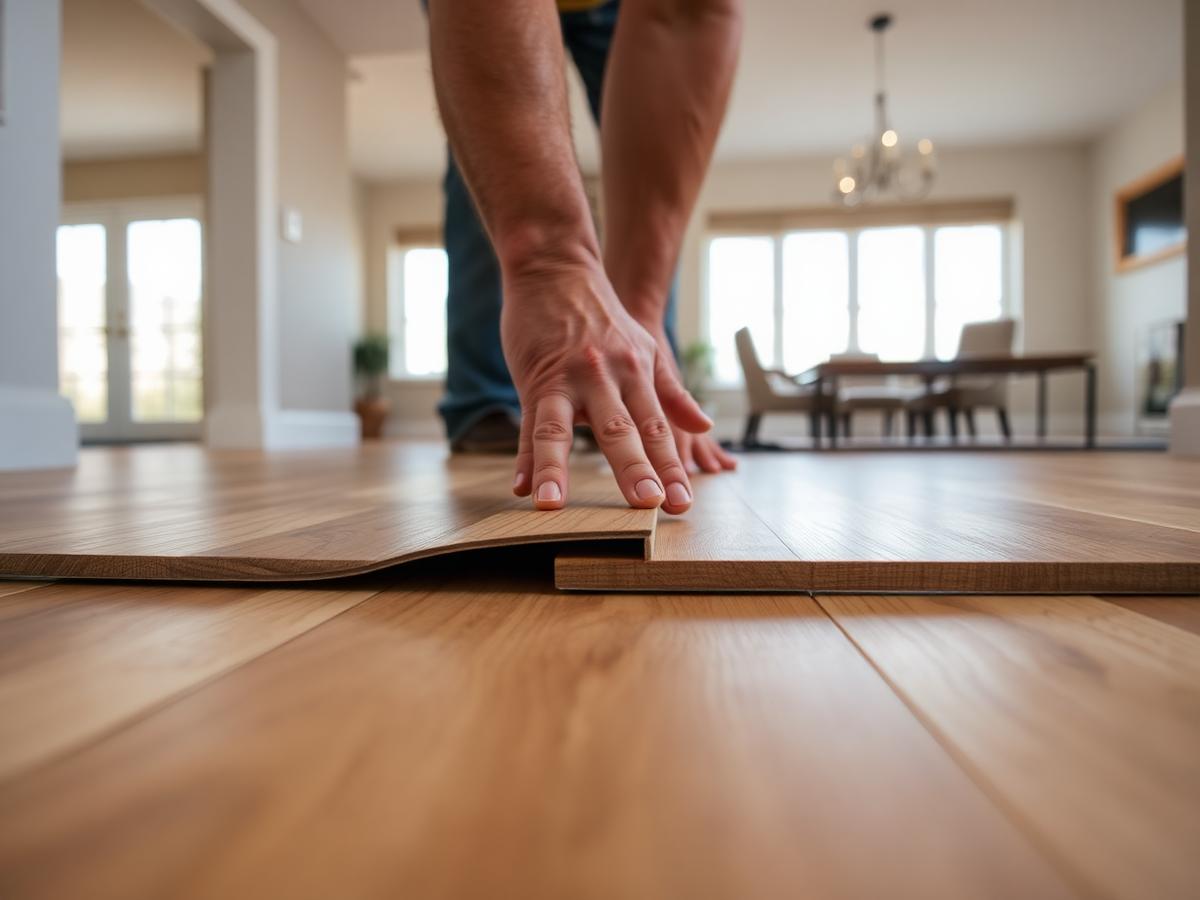
Floors don't usually fail overnight — they give you warning signs first. The trick is knowing which problems call for a simple repair, which can be solved by refinishing, and which mean it's genuinely time to replace. Replacing too soon wastes money; waiting too long can let a small issue turn into subfloor damage or mold. After more than 20 years working on Tampa Bay floors, here's how we help homeowners make that call.
Clear signs it's time to replace
- Cupping, buckling, or warping — usually moisture damage that won't reverse
- Soft or spongy spots — a sign of subfloor damage underneath
- Persistent musty odors or visible mold — a health and structural concern
- Deep water damage after a leak or storm — especially in laminate or carpet
- Widespread cracked or loose tiles — often a subfloor or installation issue
- Worn-through finish on laminate or vinyl that can't be refinished
Moisture is the usual culprit in Florida. Cupping wood, swelling laminate, and that telltale musty smell almost always trace back to humidity or water intrusion — the same forces we cover in our guide to the best flooring for Florida humidity. When the damage reaches the core or the subfloor, replacement is the honest answer.
When a repair or refinish is enough
Not every tired floor needs replacing. Solid and many engineered hardwoods can be sanded and refinished to look new again — often more than once for solid wood. A few cracked tiles can be swapped individually. Surface scratches, isolated stains, or a single damaged plank in a click-lock floor can often be repaired without redoing the whole room. If the structure is sound and only the surface is worn, refinishing or spot repair is usually the smarter spend.
Refinish vs. replace, in one line
If the problem is cosmetic and the floor is structurally sound, refinish or repair. If the damage is in the core, the subfloor, or spread across the room — or there's mold or moisture — replace. When in doubt, have it assessed before water damage spreads.
What drives the decision
- Material — solid hardwood can be refinished; laminate and most vinyl cannot
- Extent of damage — isolated vs. widespread
- Moisture involvement — any mold or subfloor damage tips toward replacement
- Age and look — outdated or discontinued floors may be worth updating
- Cost over time — repeated repairs can cost more than one clean replacement
Don't ignore the subfloor
When floors fail in Florida, the subfloor is often part of the story. Slab moisture, an old failed installation, or hidden water damage can keep ruining whatever you put down. That's why we always moisture-test and assess the subfloor before recommending a new floor — it's the step that makes the next floor last. You can read more about how prep affects cost in our Tampa Bay pricing guide.
If you're replacing, it's also the perfect time to upgrade to something better suited to Florida — like waterproof LVP or tile. And if a bathroom is involved, see our bathroom remodeling services for waterproof showers and floors.
Not sure whether to repair or replace? We'll take an honest look and tell you straight — no pressure to do more than you need. Explore our flooring services, get a free estimate, or check your town on our service area page, like flooring in Clearwater or Largo.